

Parliamentary
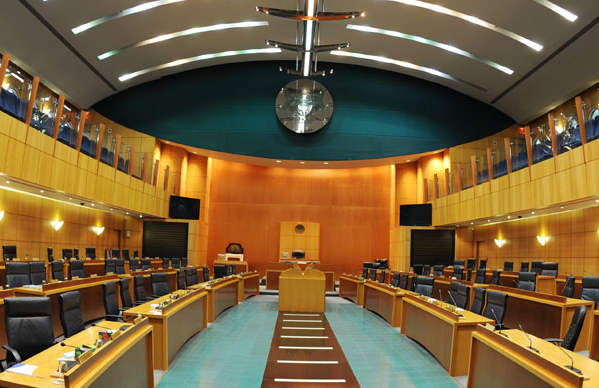
Botswana is divided into sixty-one (61) constituencies, each of which returns one Member of the National Assembly. The constituencies will remain 61 until Parliament passes a motion altering the number of seats of elected members of the National Assembly or a Delimitation Commission is appointed by the Judicial Service Commission following comprehensive National Population and Housing Census in Botswana. Notwithstanding the above, there are Six (6) Specially Elected Members of the National Assembly.
Elections are conducted on the basis of adult suffrage, in accordance with the principle of “one person, one vote.” A political party that secures a majority of seats forms the Government.
In the event of a vacancy in Parliament, the President issues a Writ of Election for a by-election to be held at the affected constituency.
Local Government
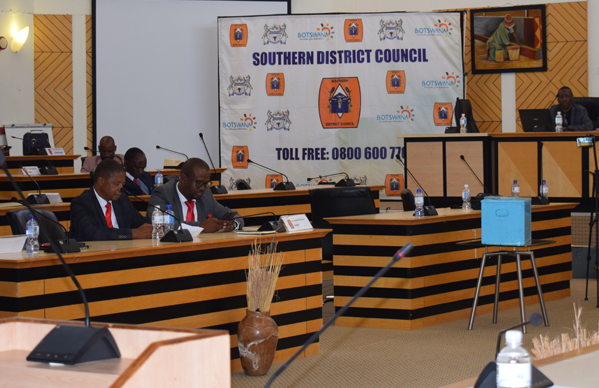
The Sixty-One constituencies have been demarcated into Six Hundred and Nine (609) polling districts, each of which returns one Member of a Council. Additionally, there is also a provision for Specially Nominated Members by the responsible Minister. Each polling district returns one member in the same manner as the constituency. Whenever a vacancy occurs in a polling district, the Minister of Local Government and Traditional Affairs issues an Election Instrument for a by-election to be held at the affected District. The process of electing members of the Local Government during the general elections is done simultaneously with the election of members of the National Assembly.
Referendum
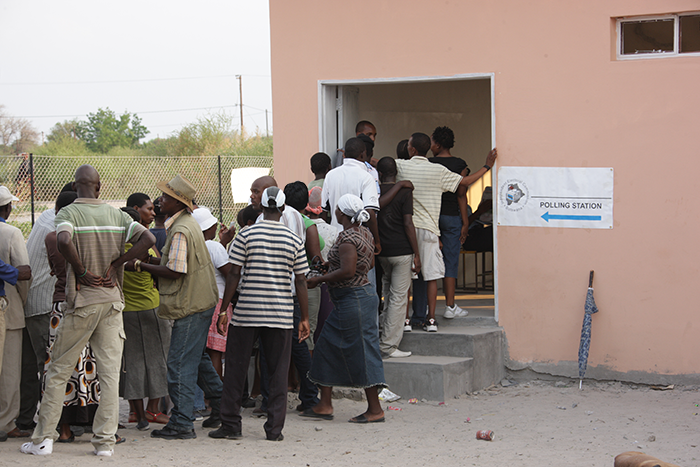
A referendum is an election in which citizens decide whether or not to give Parliament consent to amend the entrenched sections of the Constitution of Botswana. The referendum uses the existing voters roll and polling stations. At a National Referendum, only registered voters are eligible to vote.